Chronic Inflammation & Alzheimer’s: What You Need to Know
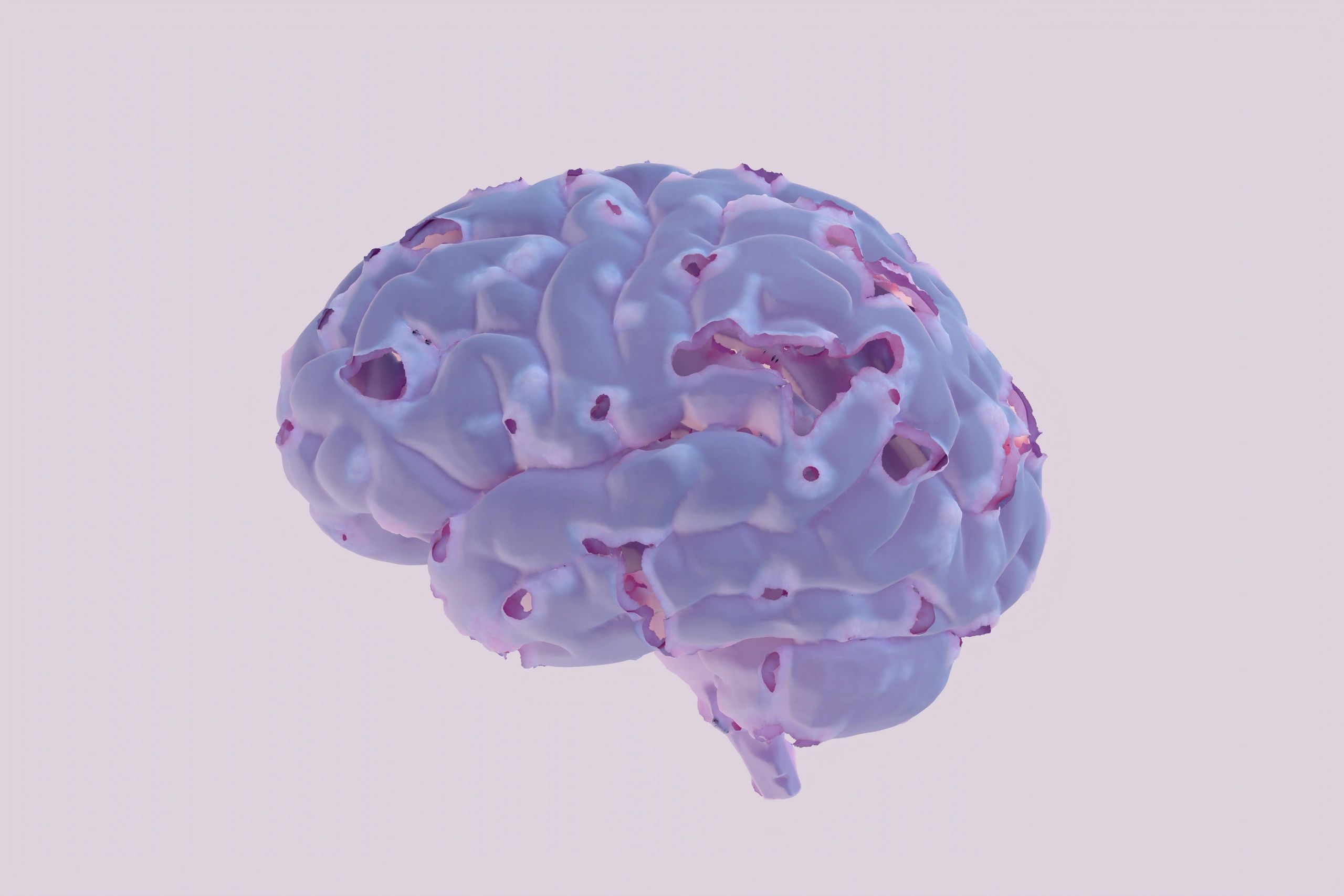
The Silent Storm: How Chronic Inflammation Fuels Cognitive Decline
Scientists now regard chronic inflammation not just as a symptom, but as a central player in the progression of neurodegenerative diseases like Alzheimer’s. While acute inflammation protects the body, persistent, low-grade inflammation—often invisible and symptomless—can infiltrate the brain, activating microglial cells and triggering a cascade of neuronal damage. Over time, this neuroinflammation disrupts synaptic function, impairs memory formation, and accelerates the accumulation of amyloid-beta plaques and tau tangles, hallmark signs of Alzheimer’s disease.
In urban and high-stress environments such as NYC, where lifestyle factors like poor sleep, sedentary habits, and environmental stressors are common, the risk of sustained inflammatory states increases—making this connection even more critical. Unlike traditional views that focus solely on genetics, today’s research emphasizes modifiable contributors: diet, gut health, toxin exposure, and metabolic dysfunction all influence systemic inflammation and, by extension, brain health.
This section will explore the science linking chronic inflammation to cognitive decline, help you recognize early physiological warning signs, and offer practical, evidence-based strategies to reduce inflammatory load. You’ll gain insights into how everyday choices—from what you eat to how you manage stress—can either protect or predispose your brain to long-term degeneration. By understanding this connection, you take the first powerful step toward preserving cognitive function and supporting brain longevity.
How Chronic Inflammation Disrupts Brain Health and Fuels Alzheimer’s Risk
Chronic inflammation isn’t just a symptom of aging—it’s an active contributor to neurodegenerative decline, particularly in conditions like Alzheimer’s disease. In the brain, prolonged activation of microglia, the central nervous system’s primary immune cells, triggers a persistent inflammatory response that can damage neurons and impair cognitive function. Unlike acute inflammation, which resolves after threat elimination, chronic neuroinflammation fails to shut down, instead releasing pro-inflammatory cytokines such as TNF-alpha, IL-1β, and IL-6 that disrupt synaptic integrity and promote amyloid-beta plaque accumulation—one of Alzheimer’s hallmark pathologies.
This inflammatory cascade also contributes to tau protein hyperphosphorylation, leading to neurofibrillary tangles that further compromise neuron signaling and survival. Over time, sustained immune activation accelerates neuronal death, particularly in memory-centric regions like the hippocampus. Factors such as long-term stress, poor sleep, metabolic dysfunction, and lifestyle-related triggers common in urban environments—including those seen in Fort Lauderdale—can amplify systemic inflammation, increasing vulnerability to cognitive decline.
Supporting neuroimmune balance begins with addressing root causes: optimizing gut health (given the gut-brain axis connection), maintaining stable blood sugar, reducing exposure to environmental toxins, and prioritizing anti-inflammatory nutrition rich in omega-3s and antioxidants. Regular physical activity and consistent, high-quality sleep also help regulate microglial activity. By taking proactive steps to reduce inflammatory burden, individuals can support long-term brain resilience and potentially lower Alzheimer’s risk.
What Research Reveals About Inflammation’s Role in Alzheimer’s Disease
Emerging science continues to strengthen the connection between chronic inflammation and the onset of Alzheimer’s disease, positioning neuroinflammation as a key player in cognitive decline. Unlike typical aging, persistent immune activation in the brain—driven by overactive microglia and astrocytes—creates an environment ripe for neuronal damage. These immune cells, meant to protect the brain, can become dysregulated and release pro-inflammatory cytokines that contribute to the accumulation of amyloid-beta plaques and tau tangles, hallmarks of Alzheimer’s pathology.
Studies have shown that individuals with long-term inflammatory conditions, such as rheumatoid arthritis or chronic infections, face an elevated risk of developing dementia later in life. This systemic inflammation can cross the blood-brain barrier, especially when compromised by aging or vascular issues common in areas like Fort Lauderdale, where humidity and lifestyle factors may impact overall wellness. Additionally, markers including elevated C-reactive protein (CRP) and interleukin-6 (IL-6) have been linked to faster cognitive deterioration.
Researchers also highlight the role of inflammasomes—molecular complexes that activate inflammatory responses—in driving neurodegeneration. Genetic variants tied to immune function, such as TREM2, further influence how aggressively inflammation progresses in the brain.
For those seeking cognitive longevity, addressing underlying inflammation through diet, stress reduction, quality sleep, and routine health monitoring offers a proactive pathway. Early intervention may help modulate immune activity before irreversible brain changes occur—especially important in urban and aging populations across South Florida and similar regions.
7 Key Lifestyle & Health Factors That Fuel Chronic Inflammation & Alzheimer’s Risk
Understanding the root causes of chronic inflammation is crucial when addressing long-term brain health and reducing the risk of cognitive decline. While genetics play a role, everyday lifestyle choices significantly influence inflammatory processes linked to Alzheimer’s disease. Below are seven well-documented contributors that create a pro-inflammatory environment in the body, potentially accelerating neurodegeneration—especially in aging populations across urban areas like Fort Lauderdale and throughout South Florida.
Poor Dietary Patterns
Diets high in refined sugars, processed foods, and industrial seed oils promote oxidative stress and elevate pro-inflammatory cytokines. These foods disrupt gut integrity and impair mitochondrial function, both of which are tied to neuroinflammation. Prioritizing whole, plant-forward meals rich in antioxidants supports brain resilience.Sedentary Lifestyle
Lack of regular movement slows circulation, reduces cerebral blood flow, and hampers lymphatic drainage, allowing inflammatory byproducts to accumulate. Incorporating daily walking or low-impact exercise helps modulate immune activity and supports neuroprotection.Chronic Sleep Disruption
Inadequate or poor-quality sleep impairs glymphatic clearance—the brain’s nightly detoxification process—leading to buildup of amyloid-beta plaques. Consistently sleeping less than 7 hours disrupts immune regulation and increases systemic inflammation.Unmanaged Stress & Elevated Cortisol
Long-term stress overactivates the HPA axis, increasing cortisol and pro-inflammatory markers like IL-6. This hormonal imbalance damages hippocampal neurons and weakens the blood-brain barrier, heightening vulnerability to cognitive decline.Gut Dysbiosis & Leaky Gut
An imbalanced gut microbiome contributes to systemic inflammation through increased intestinal permeability. Endotoxins like LPS can enter circulation, triggering neuroinflammatory responses. Supporting gut diversity with fiber and fermented foods is essential for brain health.Environmental Toxin Exposure
Chronic exposure to mold, heavy metals, and air pollutants overburdens detoxification pathways and stimulates microglial activation in the brain. Using air purifiers and minimizing chemical use at home reduces long-term inflammatory load.Untreated Metabolic Conditions
Conditions like insulin resistance, obesity, and hypertension are strongly associated with chronic inflammation and increased Alzheimer’s risk. Managing blood sugar and blood pressure through diet and lifestyle is a powerful preventive strategy.
4 Science-Backed Steps to Lower Inflammation and Support Brain Health Daily
Chronic inflammation isn’t just a silent threat to your thyroid—it’s a key player in cognitive decline and conditions like Alzheimer’s. The good news? You can actively reduce systemic inflammation through simple, consistent lifestyle habits that support both brain and body resilience. Here’s how to integrate powerful anti-inflammatory strategies into your daily routine.
Start with an Anti-Inflammatory Meal Framework
Build meals around whole, unprocessed foods: prioritize leafy greens, fatty fish rich in omega-3s, berries high in antioxidants, and nuts like walnuts. Limit refined sugars, processed meats, and industrial seed oils—common culprits behind elevated inflammatory markers. Consider adopting a Mediterranean-style plate pattern, proven to support neuroprotection, especially when sourcing fresh, seasonal ingredients from local South Florida farmers’ markets.Move Consistently with Purpose
Aim for 30 minutes of low-impact movement daily—brisk walking, cycling, or swimming. Regular physical activity reduces pro-inflammatory cytokines and enhances cerebral blood flow. In humid climates like Fort Lauderdale, opt for early morning or shaded outdoor sessions to stay comfortable and consistent.Prioritize Sleep Hygiene Like Your Brain Depends on It (Because It Does)
Chronic sleep disruption increases amyloid-beta buildup and inflammatory cytokine production. Stick to a fixed bedtime, reduce blue light exposure after 8 PM, and keep your bedroom cool and dark. Aim for 7–9 hours nightly to support glymphatic clearance—the brain’s detoxification process.Practice Daily Mind-Body Stress Relief
Chronic stress fuels neuroinflammation. Incorporate evidence-based practices like diaphragmatic breathing, mindfulness meditation, or gentle yoga. Even 10 minutes a day can lower cortisol and support immune balance over time.
Your Top Questions About Chronic Inflammation & Alzheimer’s—Answered
Can chronic inflammation really increase the risk of Alzheimer’s?
Yes—emerging research underscores that persistent, low-grade inflammation plays a significant role in neurodegenerative processes. Unlike acute inflammation that resolves, chronic inflammation can compromise the blood-brain barrier and activate microglial cells in the brain, leading to neuronal damage over time. This inflammatory environment is increasingly associated with the accumulation of amyloid plaques, a hallmark of Alzheimer’s disease.
What are early signs that inflammation might be affecting brain health?
Subtle cognitive changes like brain fog, memory lapses, reduced mental clarity, or difficulty concentrating may signal neuroinflammation. These often coexist with systemic markers such as chronic fatigue, joint discomfort, or digestive imbalances, especially in individuals over 50 or those with a family history of dementia.
How can I test for chronic inflammation?
While no single test confirms neuroinflammation, clinical markers like high-sensitivity C-reactive protein (hs-CRP), homocysteine, and erythrocyte sedimentation rate (ESR) can indicate systemic inflammation. Advanced assessments may include cytokine panels to measure pro-inflammatory molecules.
Are there natural ways to reduce inflammation and support brain function?
Absolutely. Prioritize an anti-inflammatory diet rich in omega-3s, leafy greens, and berries. Incorporate daily movement, manage stress with mindfulness or breathwork, and aim for consistent, high-quality sleep—all proven strategies to support cognitive resilience, particularly in urban environments like Fort Lauderdale where lifestyle stressors are elevated.
Does gut health affect brain inflammation?
Yes—the gut-brain axis is a key pathway. Poor gut integrity (“leaky gut”) can allow bacterial endotoxins like LPS into circulation, triggering systemic and neuroinflammation. Supporting microbiome balance with fiber, fermented foods, and targeted probiotics helps maintain immune tolerance and reduces inflammatory burden.
Can supplements help modulate brain-related inflammation?
Compounds such as curcumin, omega-3 fatty acids (EPA/DHA), and vitamin D have demonstrated neuroprotective and immune-modulating properties. Always consult a qualified practitioner to ensure proper dosing and compatibility with your health profile.
Take Control of Your Brain’s Future: Small Steps, Big Impact
Chronic inflammation isn’t just a silent background process—it’s a key driver in the long-term health of your brain and a major factor in the development of neurodegenerative conditions like Alzheimer’s. Research increasingly shows that what harms the body often harms the brain, and persistent, low-grade inflammation can break down the blood-brain barrier, activate microglial cells abnormally, and contribute to the accumulation of amyloid plaques. The connection between systemic inflammation and cognitive decline underscores the importance of proactive, daily choices that support immune balance and neural resilience.
The good news? You’re not powerless. Start by reducing dietary triggers like refined sugars and processed seed oils, which are known to fuel inflammatory pathways. Prioritize whole, nutrient-dense foods rich in antioxidants, omega-3 fatty acids, and polyphenols—many of which are available year-round at local markets in areas like Fort Lauderdale. Pair that with consistent, moderate movement, restorative sleep, and stress-reduction practices such as mindfulness or breathwork, all of which have been shown to lower inflammatory markers over time.
Consider screening for underlying contributors like gut dysbiosis, hormonal imbalances, or undetected food sensitivities—especially if brain fog or fatigue is a recurring issue. Working with a knowledgeable practitioner can help you personalize an approach that fits your unique biochemistry.
Your brain health is not determined by genetics alone—lifestyle shapes outcomes. Begin today with one change: swap a processed snack for a handful of walnuts, take a 15-minute walk after dinner, or commit to a screen-free bedtime routine. Small, consistent actions build long-term protection. Start now—your future self will thank you.


