Friday, July 17, 2026


Ulcerative Colitis & Inflammation: A ROOT Cause Guide

Ulcerative Colitis & Inflammation: A ROOT Cause Guide

Living with the Unseen Fire: The Daily Reality of Ulcerative Colitis

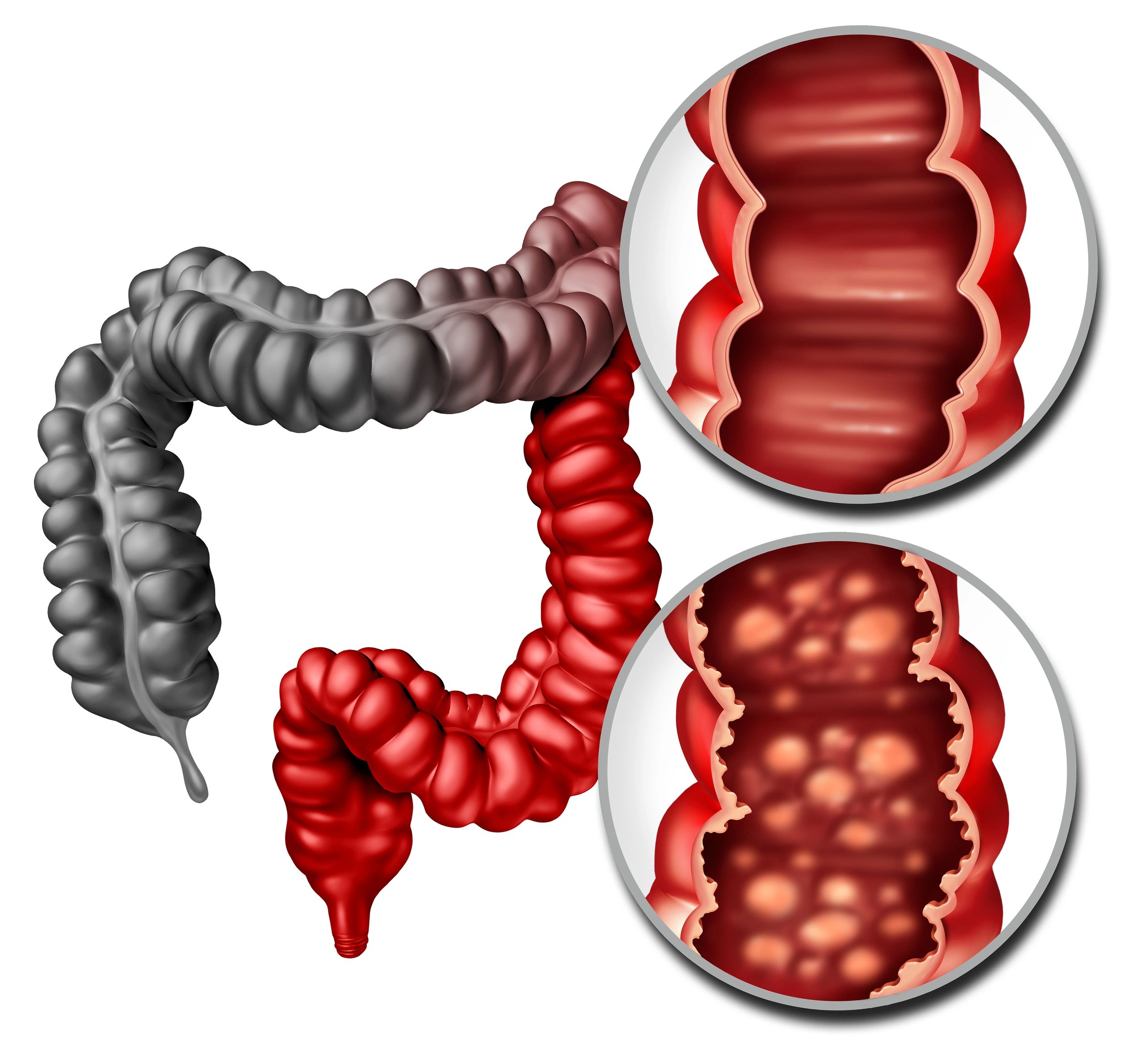
Imagine waking up each morning not knowing if today will be a good day—or one spent navigating pain, urgency, and exhaustion. For thousands across the US and beyond, this uncertainty is a hallmark of ulcerative colitis (UC), a chronic inflammatory bowel disease (IBD) that triggers inflammation and ulcers in the colon’s lining. Unlike occasional digestive discomfort, UC stems from a dysregulated immune response that mistakes gut tissue for a threat, leading to persistent inflammation that disrupts not just digestion, but overall well-being.

Symptoms like abdominal cramping, bloody diarrhea, fatigue, and unintended weight loss can erode quality of life, making everyday activities—from work to social outings—challenging. Many find themselves constantly mapping bathroom locations, adjusting plans, or withdrawing altogether due to flare-ups that strike without warning.

This guide dives deep into the root causes behind UC-driven inflammation, helping you understand how gut-immune imbalances develop and what you can do to support long-term remission. You’ll learn practical strategies to identify personal triggers, reduce inflammatory load, and reclaim control over your health—starting with the science of the gut.

The Science of Silent Damage: How Chronic Inflammation Fuels Ulcerative Colitis

Chronic inflammation in the colon is not just a symptom of ulcerative colitis (UC)—it’s the engine driving disease progression. Unlike acute inflammation that resolves after an injury, UC involves a persistent immune response that mistakenly targets the lining of the large intestine. This sustained attack activates immune cells such as T-lymphocytes and macrophages, which release pro-inflammatory cytokines like TNF-α, IL-6, and IL-13. These molecules promote cellular infiltration, tissue swelling, and the formation of ulcers along the mucosal layer.

As the intestinal barrier weakens, tight junctions between epithelial cells loosen—a condition often referred to as “leaky gut.” This allows bacterial antigens to cross into the bloodstream, triggering systemic immune activation and compounding local damage. Over time, this cycle erodes normal colon function, impairing water absorption and leading to hallmark symptoms like bloody diarrhea, cramping, and urgency.

Genetic predisposition plays a role, but environmental factors prevalent in urban climates—such as dietary processed foods, chronic stress, and disrupted circadian rhythms—can amplify inflammatory signaling. In humid areas, where mold exposure and heat-related dehydration are common, maintaining gut integrity becomes even more critical.

Supporting remission starts with understanding these mechanisms. Prioritizing gut barrier support through targeted nutrients, managing stress, and reducing dietary irritants can help break the inflammatory cycle and create conditions for healing.

7 Root Causes of Ulcerative Colitis Inflammation You Need to Know

Understanding the underlying drivers of ulcerative colitis (UC) is essential for managing flare-ups and achieving lasting remission. While symptoms like abdominal pain, bloody stools, and fatigue are visible, the real battle occurs beneath the surface—where gut, immune, and environmental factors intersect. Identifying these root causes empowers individuals to take proactive, informed steps toward healing.

  1. Gut Dysbiosis: The Microbial Imbalance Behind Chronic Inflammation
    Your gut microbiome plays a pivotal role in immune regulation and mucosal integrity. When pathogenic bacteria dominate beneficial species—a state known as dysbiosis—it can trigger immune activation and damage the colon lining. Factors like antibiotic use, low-fiber diets, and excessive sugar intake can worsen dysbiosis. Focus on incorporating prebiotic fibers (like inulin and resistant starches) and fermented foods (such as sauerkraut and kefir) to rebalance your internal ecosystem.

  2. Immune System Dysfunction: When Tolerance Breaks Down
    In UC, the immune system loses its ability to distinguish between self-tissue and foreign threats. This loss of immune tolerance leads to relentless attacks on the colonic mucosa. Supporting regulatory T-cells through nutrients like vitamin D, omega-3 fatty acids, and glutamine may help restore balance and reduce autoimmune-triggered inflammation.

  3. Intestinal Permeability (Leaky Gut): The Gateway to Systemic Inflammation
    A compromised gut barrier allows bacterial fragments and food antigens to enter circulation, provoking widespread immune responses. Healing this permeability involves targeted support with nutrients like zinc carnosine, L-glutamine, and butyrate—key compounds that reinforce tight junctions and promote epithelial repair.

  4. Chronic Stress: The Silent Amplifier of Gut Inflammation
    Stress dysregulates the gut-brain axis, increasing cortisol and altering gut motility and microbial composition. Incorporating daily mindfulness practices, diaphragmatic breathing, or vagus nerve exercises can calm nervous system overdrive and support gut homeostasis.

  5. Environmental Toxins and Mold Exposure: Hidden Triggers in Urban Climates
    High humidity in areas fosters mold growth, which can burden detoxification pathways and stimulate immune reactivity. Using HEPA air purifiers, reducing indoor dampness, and limiting exposure to pesticides and plastics may lower your total inflammatory burden.

  6. Dietary Triggers: Personalized Reactivity Fuels Flares
    Common culprits—gluten, dairy, processed foods, and artificial additives—can provoke immune responses in sensitive individuals. An elimination diet guided by symptom tracking helps identify personal triggers and reduces dietary-driven inflammation.

  7. Genetic and Epigenetic Susceptibility: Predisposition Meets Environment
    While genetics (like variants in NOD2 or IL23R) may increase UC risk, epigenetic factors—diet, sleep, toxins, and stress—determine whether those genes are expressed. This means lifestyle choices have a direct impact on disease activity, even in genetically predisposed individuals.

A Step-by-Step Protocol to Reduce Intestinal Inflammation Naturally

Managing ulcerative colitis effectively requires a structured, daily approach that targets intestinal inflammation at its source. By following these science-aligned steps, you can support mucosal healing, reduce flare-up frequency, and improve digestive resilience.

1. Begin with a 7-Day Elimination Reset
Remove common inflammatory triggers: gluten, dairy, processed sugars, and industrial seed oils. Stick to a simplified diet of low-FODMAP vegetables (steamed carrots, zucchini), organic proteins (skinless poultry, wild-caught fish), and healing fats (coconut oil, ghee). This reduces immune activation and gives your gut lining time to recover.

2. Test for Personal Food Sensitivities Systematically
After the reset, reintroduce one food group every 3 days (e.g., nuts, then eggs, then legumes). Track symptoms like bloating, urgency, or fatigue in a journal. This method helps pinpoint individual triggers without relying on guesswork.

3. Optimize Meal Timing and Chewing Habits
Eat smaller, more frequent meals to reduce digestive load. Chew each bite 20–30 times to enhance enzyme activation and prevent undigested particles from irritating the colon lining—a critical step in lowering systemic inflammation.

4. Incorporate Daily Gut-Healing Compounds
Add a daily routine of anti-inflammatory support: a teaspoon of aloe vera juice before meals, turmeric with black pepper, and omega-3s from chia or flax seeds. These help regulate pro-inflammatory cytokines linked to UC flare-ups.

5. Integrate Stress-Reducing Rituals Twice Daily
Practice diaphragmatic breathing for 5 minutes upon waking and before bed. Chronic stress disrupts the gut-brain axis and increases intestinal permeability. Consistency here supports immune balance and long-term remission.

Your Top Questions About Ulcerative Colitis & Inflammation—Answered

What exactly triggers ulcerative colitis flare-ups?
Flare-ups stem from a complex interplay of immune dysfunction, gut microbiome imbalance, and environmental stressors. Common culprits include processed foods, high-sugar diets, lack of sleep, emotional stress, and certain medications like NSAIDs. For individuals in humid, high-heat areas, increased sweating and dehydration can further irritate the gut. Keeping a symptom and food journal helps pinpoint personal triggers and reduce flare frequency.

Are there natural ways to reduce inflammation in ulcerative colitis?
Yes—lifestyle plays a crucial role in managing inflammation. An anti-inflammatory diet rich in omega-3s, soluble fiber, and polyphenols supports gut integrity. Incorporating gut-soothing foods like bone broth, aloe vera juice, and low-FODMAP produce can reduce mucosal irritation. Stress-reducing practices such as mindfulness, yoga, and breathwork are also essential for calming immune overactivity.

How do treatment options differ between mild and severe UC?
Mild UC is often managed with aminosalicylates (5-ASAs) and dietary modification. Moderate to severe cases typically require immunomodulators (like azathioprine) or biologic therapies that target specific inflammatory pathways (such as anti-TNF agents). Emerging functional approaches focus on healing the gut lining and rebalancing the microbiome to reduce reliance on pharmaceuticals.

Can gut healing really lead to remission?
While ulcerative colitis is considered chronic, many individuals achieve sustained remission by addressing root causes like leaky gut, dysbiosis, and food intolerances. Strategies that support mucosal healing—such as targeted supplementation with glutamine, zinc, and butyrate—can help restore barrier function and reduce systemic inflammation.

Is surgery inevitable with ulcerative colitis?
No. Colectomy is reserved for cases unresponsive to treatment or with high cancer risk. Many patients successfully manage symptoms long-term through integrative care, including nutritional therapy, stress management, and microbiome support—especially with access to fresh, local produce.

How important is vitamin D in managing UC?
Vitamin D is critical for immune regulation and maintaining intestinal barrier health. Deficiency is common in UC patients and linked to increased disease activity. Regular testing and supplementation, particularly in sunny climates where people may still be deficient due to indoor lifestyles, can significantly impact disease outcomes.

Your Healing Journey Starts Now: Embrace a Root-Cause Approach

Healing from ulcerative colitis isn’t about masking symptoms—it’s about uncovering the underlying imbalances driving chronic inflammation. As explored throughout this guide, factors like gut dysbiosis, increased intestinal permeability, immune dysregulation, dietary triggers, and environmental stressors all play critical roles in flare-ups. Especially in high-humidity, where mold exposure and heat-related stress can amplify inflammation, a personalized, root-cause strategy becomes even more essential.

The path to lasting remission begins with actionable steps: adopt an anti-inflammatory diet rich in healing nutrients like omega-3s, glutamine, and polyphenols; eliminate known food triggers through structured elimination and reintroduction; prioritize sleep and stress resilience to support gut-immune communication; and consider advanced stool testing to assess microbiome health and detect imbalances early.

By addressing the why behind your symptoms—not just the what—you empower your body’s innate ability to repair and regulate. Small, consistent changes in nutrition, lifestyle, and environmental exposure build cumulative protection against flares. Healing takes time, but every informed choice moves you closer to sustainable gut health. Take control today—your journey to long-term remission starts with the next meal, the next breath, the next decision to heal from within.

Thursday, July 16, 2026


Chronic Inflammation & Alzheimer’s: What You Need to Know

Chronic Inflammation & Alzheimer's: What You Need to Know

The Silent Storm: How Chronic Inflammation Fuels Cognitive Decline

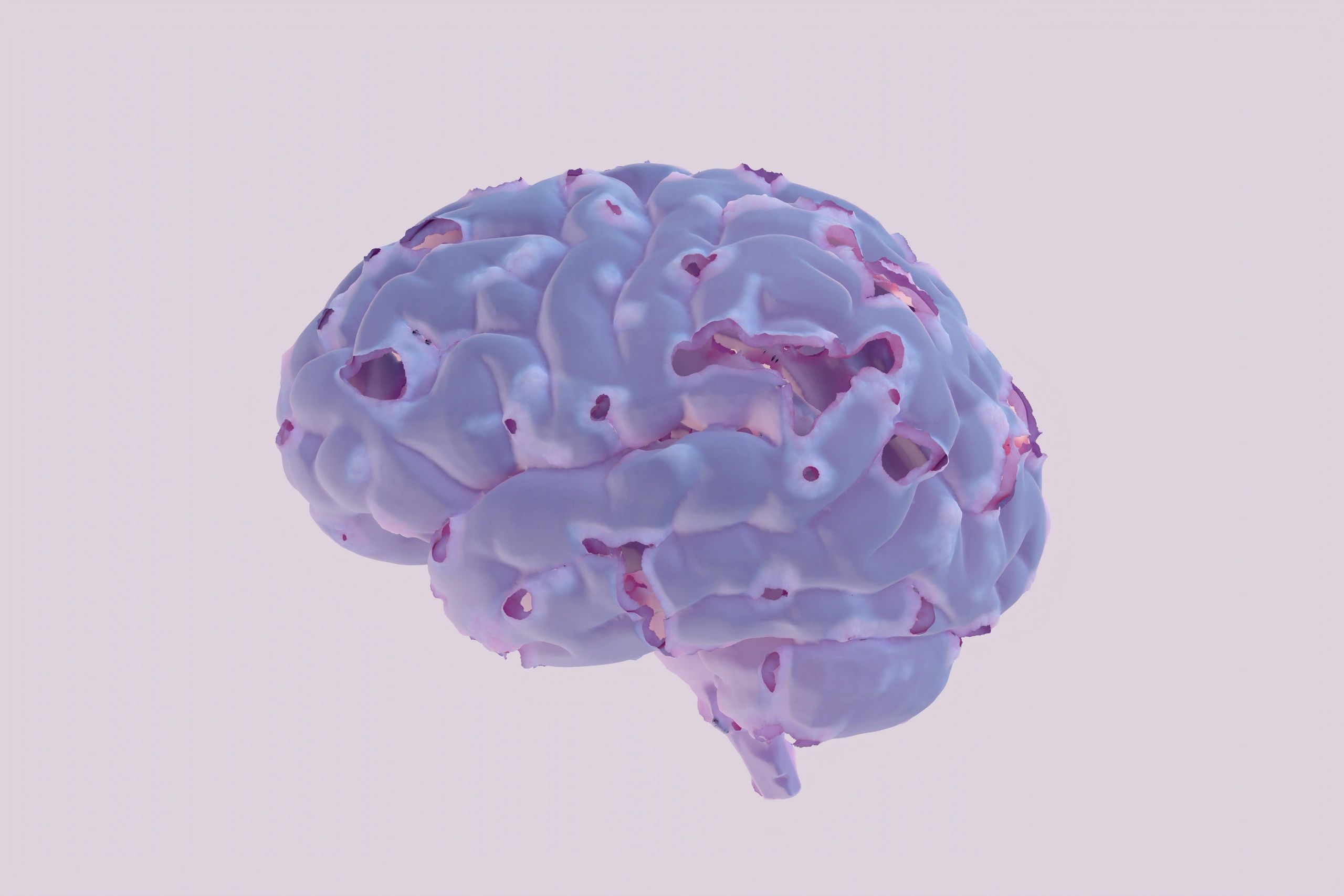
Scientists now regard chronic inflammation not just as a symptom, but as a central player in the progression of neurodegenerative diseases like Alzheimer’s. While acute inflammation protects the body, persistent, low-grade inflammation—often invisible and symptomless—can infiltrate the brain, activating microglial cells and triggering a cascade of neuronal damage. Over time, this neuroinflammation disrupts synaptic function, impairs memory formation, and accelerates the accumulation of amyloid-beta plaques and tau tangles, hallmark signs of Alzheimer’s disease.

In urban and high-stress environments such as NYC, where lifestyle factors like poor sleep, sedentary habits, and environmental stressors are common, the risk of sustained inflammatory states increases—making this connection even more critical. Unlike traditional views that focus solely on genetics, today’s research emphasizes modifiable contributors: diet, gut health, toxin exposure, and metabolic dysfunction all influence systemic inflammation and, by extension, brain health.

This section will explore the science linking chronic inflammation to cognitive decline, help you recognize early physiological warning signs, and offer practical, evidence-based strategies to reduce inflammatory load. You’ll gain insights into how everyday choices—from what you eat to how you manage stress—can either protect or predispose your brain to long-term degeneration. By understanding this connection, you take the first powerful step toward preserving cognitive function and supporting brain longevity.

How Chronic Inflammation Disrupts Brain Health and Fuels Alzheimer’s Risk

Chronic inflammation isn’t just a symptom of aging—it’s an active contributor to neurodegenerative decline, particularly in conditions like Alzheimer’s disease. In the brain, prolonged activation of microglia, the central nervous system’s primary immune cells, triggers a persistent inflammatory response that can damage neurons and impair cognitive function. Unlike acute inflammation, which resolves after threat elimination, chronic neuroinflammation fails to shut down, instead releasing pro-inflammatory cytokines such as TNF-alpha, IL-1β, and IL-6 that disrupt synaptic integrity and promote amyloid-beta plaque accumulation—one of Alzheimer’s hallmark pathologies.

This inflammatory cascade also contributes to tau protein hyperphosphorylation, leading to neurofibrillary tangles that further compromise neuron signaling and survival. Over time, sustained immune activation accelerates neuronal death, particularly in memory-centric regions like the hippocampus. Factors such as long-term stress, poor sleep, metabolic dysfunction, and lifestyle-related triggers common in urban environments—including those seen in Fort Lauderdale—can amplify systemic inflammation, increasing vulnerability to cognitive decline.

Supporting neuroimmune balance begins with addressing root causes: optimizing gut health (given the gut-brain axis connection), maintaining stable blood sugar, reducing exposure to environmental toxins, and prioritizing anti-inflammatory nutrition rich in omega-3s and antioxidants. Regular physical activity and consistent, high-quality sleep also help regulate microglial activity. By taking proactive steps to reduce inflammatory burden, individuals can support long-term brain resilience and potentially lower Alzheimer’s risk.

What Research Reveals About Inflammation’s Role in Alzheimer’s Disease

Emerging science continues to strengthen the connection between chronic inflammation and the onset of Alzheimer’s disease, positioning neuroinflammation as a key player in cognitive decline. Unlike typical aging, persistent immune activation in the brain—driven by overactive microglia and astrocytes—creates an environment ripe for neuronal damage. These immune cells, meant to protect the brain, can become dysregulated and release pro-inflammatory cytokines that contribute to the accumulation of amyloid-beta plaques and tau tangles, hallmarks of Alzheimer’s pathology.

Studies have shown that individuals with long-term inflammatory conditions, such as rheumatoid arthritis or chronic infections, face an elevated risk of developing dementia later in life. This systemic inflammation can cross the blood-brain barrier, especially when compromised by aging or vascular issues common in areas like Fort Lauderdale, where humidity and lifestyle factors may impact overall wellness. Additionally, markers including elevated C-reactive protein (CRP) and interleukin-6 (IL-6) have been linked to faster cognitive deterioration.

Researchers also highlight the role of inflammasomes—molecular complexes that activate inflammatory responses—in driving neurodegeneration. Genetic variants tied to immune function, such as TREM2, further influence how aggressively inflammation progresses in the brain.

For those seeking cognitive longevity, addressing underlying inflammation through diet, stress reduction, quality sleep, and routine health monitoring offers a proactive pathway. Early intervention may help modulate immune activity before irreversible brain changes occur—especially important in urban and aging populations across South Florida and similar regions.

7 Key Lifestyle & Health Factors That Fuel Chronic Inflammation & Alzheimer’s Risk

Understanding the root causes of chronic inflammation is crucial when addressing long-term brain health and reducing the risk of cognitive decline. While genetics play a role, everyday lifestyle choices significantly influence inflammatory processes linked to Alzheimer’s disease. Below are seven well-documented contributors that create a pro-inflammatory environment in the body, potentially accelerating neurodegeneration—especially in aging populations across urban areas like Fort Lauderdale and throughout South Florida.

  1. Poor Dietary Patterns
    Diets high in refined sugars, processed foods, and industrial seed oils promote oxidative stress and elevate pro-inflammatory cytokines. These foods disrupt gut integrity and impair mitochondrial function, both of which are tied to neuroinflammation. Prioritizing whole, plant-forward meals rich in antioxidants supports brain resilience.

  2. Sedentary Lifestyle
    Lack of regular movement slows circulation, reduces cerebral blood flow, and hampers lymphatic drainage, allowing inflammatory byproducts to accumulate. Incorporating daily walking or low-impact exercise helps modulate immune activity and supports neuroprotection.

  3. Chronic Sleep Disruption
    Inadequate or poor-quality sleep impairs glymphatic clearance—the brain’s nightly detoxification process—leading to buildup of amyloid-beta plaques. Consistently sleeping less than 7 hours disrupts immune regulation and increases systemic inflammation.

  4. Unmanaged Stress & Elevated Cortisol
    Long-term stress overactivates the HPA axis, increasing cortisol and pro-inflammatory markers like IL-6. This hormonal imbalance damages hippocampal neurons and weakens the blood-brain barrier, heightening vulnerability to cognitive decline.

  5. Gut Dysbiosis & Leaky Gut
    An imbalanced gut microbiome contributes to systemic inflammation through increased intestinal permeability. Endotoxins like LPS can enter circulation, triggering neuroinflammatory responses. Supporting gut diversity with fiber and fermented foods is essential for brain health.

  6. Environmental Toxin Exposure
    Chronic exposure to mold, heavy metals, and air pollutants overburdens detoxification pathways and stimulates microglial activation in the brain. Using air purifiers and minimizing chemical use at home reduces long-term inflammatory load.

  7. Untreated Metabolic Conditions
    Conditions like insulin resistance, obesity, and hypertension are strongly associated with chronic inflammation and increased Alzheimer’s risk. Managing blood sugar and blood pressure through diet and lifestyle is a powerful preventive strategy.

4 Science-Backed Steps to Lower Inflammation and Support Brain Health Daily

Chronic inflammation isn’t just a silent threat to your thyroid—it’s a key player in cognitive decline and conditions like Alzheimer’s. The good news? You can actively reduce systemic inflammation through simple, consistent lifestyle habits that support both brain and body resilience. Here’s how to integrate powerful anti-inflammatory strategies into your daily routine.

  1. Start with an Anti-Inflammatory Meal Framework
    Build meals around whole, unprocessed foods: prioritize leafy greens, fatty fish rich in omega-3s, berries high in antioxidants, and nuts like walnuts. Limit refined sugars, processed meats, and industrial seed oils—common culprits behind elevated inflammatory markers. Consider adopting a Mediterranean-style plate pattern, proven to support neuroprotection, especially when sourcing fresh, seasonal ingredients from local South Florida farmers’ markets.

  2. Move Consistently with Purpose
    Aim for 30 minutes of low-impact movement daily—brisk walking, cycling, or swimming. Regular physical activity reduces pro-inflammatory cytokines and enhances cerebral blood flow. In humid climates like Fort Lauderdale, opt for early morning or shaded outdoor sessions to stay comfortable and consistent.

  3. Prioritize Sleep Hygiene Like Your Brain Depends on It (Because It Does)
    Chronic sleep disruption increases amyloid-beta buildup and inflammatory cytokine production. Stick to a fixed bedtime, reduce blue light exposure after 8 PM, and keep your bedroom cool and dark. Aim for 7–9 hours nightly to support glymphatic clearance—the brain’s detoxification process.

  4. Practice Daily Mind-Body Stress Relief
    Chronic stress fuels neuroinflammation. Incorporate evidence-based practices like diaphragmatic breathing, mindfulness meditation, or gentle yoga. Even 10 minutes a day can lower cortisol and support immune balance over time.

Your Top Questions About Chronic Inflammation & Alzheimer’s—Answered

Can chronic inflammation really increase the risk of Alzheimer’s?
Yes—emerging research underscores that persistent, low-grade inflammation plays a significant role in neurodegenerative processes. Unlike acute inflammation that resolves, chronic inflammation can compromise the blood-brain barrier and activate microglial cells in the brain, leading to neuronal damage over time. This inflammatory environment is increasingly associated with the accumulation of amyloid plaques, a hallmark of Alzheimer’s disease.

What are early signs that inflammation might be affecting brain health?
Subtle cognitive changes like brain fog, memory lapses, reduced mental clarity, or difficulty concentrating may signal neuroinflammation. These often coexist with systemic markers such as chronic fatigue, joint discomfort, or digestive imbalances, especially in individuals over 50 or those with a family history of dementia.

How can I test for chronic inflammation?
While no single test confirms neuroinflammation, clinical markers like high-sensitivity C-reactive protein (hs-CRP), homocysteine, and erythrocyte sedimentation rate (ESR) can indicate systemic inflammation. Advanced assessments may include cytokine panels to measure pro-inflammatory molecules.

Are there natural ways to reduce inflammation and support brain function?
Absolutely. Prioritize an anti-inflammatory diet rich in omega-3s, leafy greens, and berries. Incorporate daily movement, manage stress with mindfulness or breathwork, and aim for consistent, high-quality sleep—all proven strategies to support cognitive resilience, particularly in urban environments like Fort Lauderdale where lifestyle stressors are elevated.

Does gut health affect brain inflammation?
Yes—the gut-brain axis is a key pathway. Poor gut integrity (“leaky gut”) can allow bacterial endotoxins like LPS into circulation, triggering systemic and neuroinflammation. Supporting microbiome balance with fiber, fermented foods, and targeted probiotics helps maintain immune tolerance and reduces inflammatory burden.

Can supplements help modulate brain-related inflammation?
Compounds such as curcumin, omega-3 fatty acids (EPA/DHA), and vitamin D have demonstrated neuroprotective and immune-modulating properties. Always consult a qualified practitioner to ensure proper dosing and compatibility with your health profile.

Take Control of Your Brain’s Future: Small Steps, Big Impact

Chronic inflammation isn’t just a silent background process—it’s a key driver in the long-term health of your brain and a major factor in the development of neurodegenerative conditions like Alzheimer’s. Research increasingly shows that what harms the body often harms the brain, and persistent, low-grade inflammation can break down the blood-brain barrier, activate microglial cells abnormally, and contribute to the accumulation of amyloid plaques. The connection between systemic inflammation and cognitive decline underscores the importance of proactive, daily choices that support immune balance and neural resilience.

The good news? You’re not powerless. Start by reducing dietary triggers like refined sugars and processed seed oils, which are known to fuel inflammatory pathways. Prioritize whole, nutrient-dense foods rich in antioxidants, omega-3 fatty acids, and polyphenols—many of which are available year-round at local markets in areas like Fort Lauderdale. Pair that with consistent, moderate movement, restorative sleep, and stress-reduction practices such as mindfulness or breathwork, all of which have been shown to lower inflammatory markers over time.

Consider screening for underlying contributors like gut dysbiosis, hormonal imbalances, or undetected food sensitivities—especially if brain fog or fatigue is a recurring issue. Working with a knowledgeable practitioner can help you personalize an approach that fits your unique biochemistry.

Your brain health is not determined by genetics alone—lifestyle shapes outcomes. Begin today with one change: swap a processed snack for a handful of walnuts, take a 15-minute walk after dinner, or commit to a screen-free bedtime routine. Small, consistent actions build long-term protection. Start now—your future self will thank you.


Dr. J. Miller  - ROOT Cause Supplements, LLC

Chronic Inflammation Research Lab & Production, Neptune Township, New Jersey

https://drjosephmillerobgyn.com

Inflammation & Recovery: Post-Surgery Healing

Inflammation & Recovery: Post-Surgery Healing

Why Your Body’s First Reaction After Surgery Is Actually a Good Sign

You might not realize it, but the redness, swelling, and warmth you feel around a surgical site aren’t signs of something going wrong—they’re evidence of inflammation, one of your body’s most essential healing mechanisms. Often misunderstood and unfairly demonized, acute inflammation is a highly organized, carefully orchestrated biological response that launches immediately after surgery to protect and repair damaged tissues.

This natural immune response clears out cellular debris, fights off potential infections, and lays the foundation for tissue regeneration. Without it, healing simply wouldn’t happen. In the following sections, you’ll learn how inflammation shifts from a crucial ally in the first few days post-op to a potential obstacle if it persists too long. We’ll explore the difference between beneficial acute inflammation and harmful chronic inflammation, identify lifestyle and nutritional factors that support balanced healing, and give you practical steps to optimize recovery—naturally and effectively.

Stay tuned to uncover how to work with your body’s biology, not against it, for a smoother, stronger recovery journey.

What Happens to Your Body After Surgery: A Step-by-Step Guide to Inflammation & Healing

Understanding the body’s natural response to surgery is key to supporting optimal recovery. Inflammation isn’t a sign of harm—it’s a critical biological process that initiates healing. Here’s how it works, broken down into actionable stages you can support at home.

  1. Hemostasis (0–6 hours post-op)
    Immediately after surgery, your body works to stop bleeding by forming clots and constricting blood vessels. This foundational step prepares the wound site for repair. Tip: Avoid blood-thinning supplements unless approved by your care provider, especially in the first 24–48 hours.

  2. Inflammatory Phase (Day 1–4)
    This is when swelling, redness, and warmth appear—expected signs that immune cells are clearing debris and fighting infection. Neutrophils and macrophages dominate this phase. Support it naturally: Stay hydrated, rest, and avoid excessive movement that could disrupt healing.

  3. Proliferative Stage (Day 4–14)
    New tissue begins forming. Fibroblasts generate collagen, while angiogenesis builds fresh blood vessels. Wound contraction starts, and you may notice reduced swelling. Best practice: Eat protein-rich, nutrient-dense meals to fuel tissue regeneration—especially important in warm climates where metabolic demands increase.

  4. Remodeling Phase (Week 3–12+)
    The body strengthens and reorganizes scar tissue. Collagen fibers align for durability, gradually restoring function. This phase can last months. Action step: Gentle mobilization, as approved by your provider, helps prevent stiffening and supports long-term recovery.

Recognizing these stages helps you align lifestyle choices with your body’s innate healing rhythm—maximizing recovery while minimizing complications.

5 Key Factors That Shape Your Body’s Inflammatory Response & Recovery Speed

Understanding what drives inflammation and influences healing timelines can make a significant difference in post-surgery outcomes. While every patient’s journey is unique, certain modifiable factors consistently impact how the body responds to surgical trauma. By addressing these elements proactively, individuals can support faster recovery, reduce complications, and improve overall healing—especially in environments like Fort Lauderdale, where lifestyle and climate play subtle but powerful roles in health.

  1. Surgical Site and Tissue Type
    Different tissues heal at varying rates due to differences in blood supply and cellular turnover. Areas with robust circulation—like the face—heal faster than tissues with limited vascularization, such as tendons or cartilage. Additionally, surgeries involving major organs or extensive incisions tend to trigger stronger inflammatory cascades. Knowing this, patients can better anticipate recovery timelines and tailor aftercare accordingly.

  2. Pre-Existing Inflammatory Load
    Chronic conditions like diabetes, obesity, or autoimmune disorders elevate baseline inflammation, which can amplify the body’s response to surgery. Elevated cytokine levels pre-surgery may delay wound healing and increase infection risk. Managing underlying health issues before an operation helps create a more balanced internal environment primed for recovery.

  3. Nutritional Status and Micronutrient Intake
    Optimal levels of protein, vitamin C, zinc, and omega-3 fatty acids are essential for collagen synthesis, immune regulation, and inflammation modulation. Poor nutrition weakens tissue repair mechanisms and prolongs the inflammatory phase. Prioritizing whole foods rich in these nutrients supports a smoother transition from inflammation to tissue rebuilding.

  4. Post-Operative Mobility and Circulation
    Controlled movement after surgery enhances lymphatic drainage and blood flow, helping clear inflammatory byproducts and deliver healing nutrients to affected areas. Prolonged immobility, especially in warm, humid climates like South Florida, increases the risk of fluid retention and localized swelling. Early, physician-approved mobility is key to reducing downtime.

  5. Sleep Quality and Stress Levels
    Deep, restorative sleep is when the body performs most tissue repair and immune regulation. Chronic stress or disrupted sleep raises cortisol, which suppresses immune function and prolongs inflammation. Establishing a consistent sleep routine and incorporating relaxation techniques can significantly accelerate recovery.

7 Science-Backed Tips to Reduce Inflammation and Accelerate Post-Surgery Healing

After surgery, managing inflammation isn’t about eliminating it completely—your body needs this natural response to initiate healing. However, excessive or prolonged inflammation can delay recovery, increase discomfort, and even raise the risk of complications. For patients in Fort Lauderdale and across South Florida, where heat, humidity, and active lifestyles influence healing trajectories, adopting targeted strategies to modulate inflammation is essential. The goal is to support your body’s innate repair mechanisms while minimizing systemic inflammatory load. Below are seven actionable, evidence-aligned tips to help you recover stronger and faster.

  1. Embrace Targeted Nutrition
    Prioritize anti-inflammatory foods rich in omega-3 fatty acids (like wild-caught salmon, flaxseeds, and walnuts), antioxidants (berries, dark leafy greens), and polyphenols (green tea, turmeric). Avoid processed sugars and refined carbs, which can spike inflammatory markers. Consider small, frequent meals to support consistent nutrient delivery during the healing phase.

  2. Stay Hydrated to Flush Toxins
    Proper hydration supports lymphatic drainage and kidney function, both critical for clearing metabolic waste and reducing swelling. In humid climates like South Florida, your body loses fluids more rapidly—even at rest. Aim for half your body weight (in pounds) in ounces of water daily, and add electrolytes if advised by your care team.

  3. Move Strategically—Not Excessively
    Early mobilization, such as gentle walking or prescribed physical therapy exercises, enhances circulation and reduces pro-inflammatory cytokines. Movement also prevents blood pooling and supports tissue oxygenation. Always follow your surgeon’s protocol to avoid strain while still promoting recovery.

  4. Optimize Sleep for Cellular Repair
    Deep, uninterrupted sleep is when your body releases growth hormone and performs critical tissue regeneration. Keep your bedroom cool and dark, and aim for 7–9 hours nightly. Poor sleep quality in the post-op phase can elevate cortisol, which prolongs inflammation.

  5. Use Cold and Compression Therapy Wisely
    Applying cold therapy (such as ice packs) in 15–20 minute intervals during the first 72 hours can constrict blood vessels and reduce localized swelling. Pair with compression garments when recommended to improve venous return and minimize edema.

  6. Manage Stress Through Breathwork and Mindfulness
    Surgical recovery can be emotionally taxing. Chronic stress stimulates the release of inflammatory mediators like IL-6. Incorporate daily diaphragmatic breathing or guided meditation—even 5–10 minutes can help reset your nervous system and lower inflammatory tone.

  7. Support Gut Health to Modulate Immunity
    Your gut microbiome plays a direct role in regulating systemic inflammation. After surgery—and especially if you’re on antibiotics—include probiotic-rich foods (like unsweetened yogurt or kefir) and prebiotic fibers (asparagus, garlic, bananas) to maintain microbial balance and immune resilience.

Addressing Common Concerns About Inflammation and Post-Surgical Healing

What role does inflammation play in recovery after surgery?
Inflammation is a natural and essential part of the body’s healing process. Immediately following surgery, the inflammatory response helps remove damaged tissue, fight off infection, and initiate tissue repair. In the first 48–72 hours, swelling, redness, and localized warmth are common signs that this process is active. However, when inflammation becomes prolonged or excessive, it can delay healing and increase discomfort. Managing this balance is especially important for individuals in fast-paced environments like Fort Lauderdale, where lifestyle factors such as stress and humidity can influence recovery timelines.

How long should post-surgical swelling last?
Typical post-op swelling peaks within the first few days and gradually improves over 2–6 weeks, depending on the procedure and individual health factors. Swelling that persists beyond this window—especially if accompanied by increased pain, heat, or redness—may indicate chronic inflammation or complications. Staying hydrated, elevating the affected area, and following movement protocols can help reduce fluid buildup and support lymphatic drainage.

Can diet impact surgical recovery and inflammation levels?
Absolutely. Nutrition plays a direct role in modulating inflammation. Focus on whole, unprocessed foods rich in antioxidants and omega-3 fatty acids—such as leafy greens, fatty fish, berries, and nuts—while minimizing sugar, refined carbs, and processed oils. These dietary choices support immune regulation and tissue regeneration. For residents across South Florida, incorporating locally available, fresh produce into daily meals can enhance healing outcomes.

Are there natural supplements that help manage post-surgical inflammation?
Yes. Certain evidence-backed supplements, such as bromelain (from pineapple), curcumin (from turmeric), and omega-3s, have demonstrated anti-inflammatory effects. These compounds help regulate cytokine activity and may reduce pain and swelling naturally. Always consult your care provider before introducing supplements, as some can interact with medications or affect bleeding risk.

When should I be concerned about inflammation after surgery?
While some inflammation is expected, signs like worsening redness, pus, high fever, or increasing pain suggest possible infection or excessive inflammatory response. Chronic systemic inflammation—often linked to underlying conditions such as metabolic syndrome or autoimmune disorders—can also impair healing. If recovery seems stalled, a deeper assessment of inflammatory markers may be necessary.

How can physical activity influence post-op inflammation?
Controlled, low-impact movement—like walking or gentle range-of-motion exercises—improves circulation, reduces fluid retention, and helps regulate immune signaling. However, overexertion too soon can trigger additional inflammation. Follow your provider’s guidance on activity progression to stay within the healing window.

Does stress affect healing and inflammation?
Yes. Chronic stress elevates cortisol, which amplifies inflammatory cytokines and suppresses immune function. This can slow tissue repair and increase post-op discomfort. Integrating mindfulness, breathwork, or light yoga into your recovery—especially in high-stress urban settings—can support a more balanced healing response.

Taking Control of Inflammation for Faster, Smoother Recovery

Effective post-surgery healing hinges on how well inflammation is managed in the critical days and weeks after a procedure. Unlike acute inflammation, which is a natural and necessary part of the healing cascade, chronic or excessive inflammation can delay tissue repair, increase discomfort, and elevate the risk of complications. For patients in warmer climates like Fort Lauderdale and across South Florida, factors such as humidity, sun exposure, and lifestyle stressors can further influence recovery timelines, making a proactive approach even more essential.

The key lies in supporting your body’s innate healing mechanisms through targeted, science-backed strategies. Begin by prioritizing nutrient-dense foods rich in omega-3 fatty acids, antioxidants, and high-quality protein to reduce oxidative stress and support tissue regeneration. Incorporate gentle, mobility-focused movement as approved by your care provider—this enhances circulation, reduces swelling, and prevents stiffness. Don’t underestimate the power of quality sleep and stress modulation techniques like deep breathing or guided relaxation, both of which help regulate inflammatory cytokines.

Monitoring for signs of prolonged inflammation—such as persistent redness, swelling, or fatigue—is crucial. When managed effectively, inflammation shifts from a roadblock to a powerful ally in recovery. Start implementing these daily habits now to optimize healing, minimize downtime, and regain strength with confidence. Your body’s ability to recover starts with the choices you make today.


Dr. J. Miller  - ROOT Cause Supplements, LLC

Research Lab & Production, Neptune Township, New Jersey

https://drjosephmillerobgyn.com


What Are Peptides?

1st - listed below is the Chat GPT Answer

2nd - To Follow Chat GPT Answer is Dr. Joseph M. Millers COROLLARY Analysis


Chat GPT Answer:

Peptides are short chains of amino acids, which are the building blocks of proteins. They are naturally found in the body and play important roles in many biological processes, such as signaling between cells, regulating hormones, and supporting tissue repair.

Think of it this way:

  • Amino acids are like individual beads.

  • Peptides are short strings of those beads (usually 2–50 amino acids).

  • Proteins are longer, more complex chains that fold into specific structures.

What do peptides do?

Different peptides have different functions. Some examples include:

  • Hormones: Insulin is a peptide hormone that regulates blood sugar.

  • Cell signaling: Many peptides tell cells when to grow, repair, or respond to injury.

  • Skin health: Certain peptides in skin-care products may help support collagen production and improve the appearance of aging skin.

  • Digestion and metabolism: Some peptides help regulate appetite, digestion, and energy balance.

  • Immune function: Antimicrobial peptides help the body defend against infections.

Peptides in medicine

Some peptides are used as prescription medications, including:

  • Insulin for diabetes.

  • GLP-1 receptor agonists such as semaglutide and tirzepatide, which are peptide-based medications used for type 2 diabetes and weight management.

  • Other therapeutic peptides used for hormone disorders, fertility treatment, and certain cancers.

Peptides for bodybuilding or anti-aging

Some people use peptides marketed for muscle growth, fat loss, recovery, or anti-aging (such as BPC-157, CJC-1295, or ipamorelin). However, many of these are not approved by the FDA for those uses, may not be well studied in humans, and products sold online can vary widely in quality and safety.

How are peptides taken?

Depending on the specific peptide, they may be taken as:

  • Injections

  • Oral tablets or capsules

  • Nasal sprays

  • Topical creams or serums

Key point

Peptides are small protein-like molecules that help control many body functions. Some are established medicines with proven benefits, while others promoted for performance or anti-aging have limited evidence and uncertain safety.

 Peptides are short chains of amino acids, the building blocks of proteins. Think of them as "mini-proteins." While there's no strict cutoff, peptides typically contain 2–50 amino acids, whereas proteins are longer and fold into more complex structures.

Here's a simple analogy:

  • Amino acids = individual LEGO bricks
  • Peptides = small LEGO structures
  • Proteins = large, intricate LEGO creations

Peptides occur naturally in your body and play many important roles, including:

  • Hormones: For example, insulin helps regulate blood sugar.
  • Cell signaling: They allow cells to communicate with one another.
  • Immune function: Some peptides help fight bacteria, viruses, and fungi.
  • Tissue repair: Certain peptides are involved in wound healing and collagen production.

Some well-known peptides include:

  • glucagon – raises blood sugar when it gets too low.
  • oxytocin – involved in childbirth, breastfeeding, and social bonding.
  • collagen peptides – commonly used as supplements to support skin and joint health, although benefits vary by individual and evidence is stronger for some uses than others.

In medicine, peptides are also used as drugs because they can target specific biological processes. Examples include peptide-based medications for diabetes, obesity, and certain hormone deficiencies.

In recent years, peptides have become popular in wellness and fitness communities, with claims that they can:

  • Promote muscle growth
  • Speed recovery
  • Aid weight loss
  • Improve skin appearance
  • Slow aging

Some of these uses are backed by strong clinical evidence—for example, certain prescription peptide medications for diabetes and obesity—while many other peptide products marketed for performance or anti-aging have limited evidence or are not approved for those purposes.

The human body naturally produces thousands of peptides, each with a specific role. Here are some of the most important examples:

PeptidePrimary FunctionProduced By
InsulinLowers blood glucose by helping cells absorb sugarPancreas
GlucagonRaises blood glucose when it falls too lowPancreas
GLP-1 (Glucagon-like peptide-1)Stimulates insulin release, slows stomach emptying, reduces appetiteIntestines
GhrelinStimulates hunger ("hunger hormone")Stomach
LeptinSignals fullness and regulates energy balanceFat (adipose) tissue
OxytocinPromotes uterine contractions, milk letdown, and social bondingProduced in the hypothalamus; released by the pituitary gland
Vasopressin (ADH)Helps kidneys conserve water and regulates blood pressureProduced in the hypothalamus; released by the pituitary gland
CalcitoninHelps regulate calcium levelsThyroid gland
Parathyroid hormone (PTH)Increases blood calcium levelsParathyroid glands
SomatostatinInhibits the release of several hormonesHypothalamus, pancreas, digestive tract


Peptides involved in growth and repair

These peptides help maintain tissues and regulate growth:

  • Growth hormone-releasing hormone (GHRH) – Stimulates release of growth hormone.
  • Insulin-like Growth Factor-1 (IGF-1) – Promotes growth of bone and muscle (technically a small protein rather than a short peptide).
  • Thymosin beta-4 – Involved in wound healing, tissue repair, and cell movement.
  • Collagen peptides – Short fragments generated when collagen is broken down; collagen itself is a structural protein.

Peptides in the digestive system

The digestive tract produces many signaling peptides, including:

  • Gastrin – Stimulates stomach acid production.
  • Secretin – Promotes bicarbonate release from the pancreas.
  • Cholecystokinin (CCK) – Stimulates digestion of fats and proteins and promotes satiety.
  • Motilin – Coordinates intestinal contractions between meals.

Peptides in the immune system

The body also makes peptides that help fight infection:

  • Defensins – Kill bacteria, fungi, and some viruses.
  • Cathelicidins – Help protect the skin and mucous membranes from pathogens.
  • Hepcidin – Regulates iron metabolism and limits bacterial access to iron.

Peptides in the nervous system

Some peptides act as neurotransmitters or neuromodulators:

  • Endorphins – Reduce pain and contribute to feelings of well-being.
  • Enkephalins – Help regulate pain perception.
  • Substance P – Transmits pain signals and contributes to inflammation.
  • Neuropeptide Y (NPY) – Influences appetite, stress responses, and energy balance.

Why these peptides matter

These naturally occurring peptides act as chemical messengers. They help regulate:

  • Blood sugar
  • Appetite and body weight
  • Growth and tissue repair
  • Immune defense
  • Sleep and stress responses
  • Blood pressure
  • Digestion
  • Pain perception
  • Reproduction

Many modern peptide medications are designed to mimic or enhance these naturally occurring peptides. For example, semaglutide mimics the action of GLP-1, while synthetic insulin replaces the insulin that the body normally produces.

The physiology of peptides is the study of how peptides are made, how they communicate with cells, how they are regulated, and how they are broken down. Peptides are one of the body's primary systems for cell-to-cell communication.

1. Peptides are synthesized from genes

Most peptides are produced through the normal process of gene expression:

  1. A gene in DNA is transcribed into messenger RNA (mRNA).
  2. The mRNA is translated by ribosomes into a larger precursor protein called a prepropeptide.
  3. The prepropeptide is modified inside the cell to form a propeptide.
  4. Enzymes cleave the propeptide into one or more active peptides.
  5. The active peptide is stored in secretory vesicles until it is released.

For example, insulin begins as preproinsulin, is converted to proinsulin, and is then cleaved into active insulin and C-peptide.

2. Peptides are released in response to specific signals

Peptide secretion is tightly controlled and occurs only when needed.

Examples include:

  • High blood glucose → pancreatic β-cells release insulin.
  • Food entering the small intestine → intestinal cells release GLP-1 and CCK.
  • Dehydration → the hypothalamus signals the release of vasopressin (ADH).
  • Pain or stress → neurons release endorphins.

Most peptide hormones are released by exocytosis, in which secretory vesicles fuse with the cell membrane and discharge their contents into the bloodstream or surrounding tissue.

3. Peptides travel to their target cells

Unlike steroid hormones, peptides are water-soluble.

This means they:

  • Dissolve easily in blood plasma.
  • Usually circulate without carrier proteins.
  • Cannot readily cross the lipid membrane of cells.

Instead of entering cells, they communicate from the outside.

4. Peptides bind to receptors

Each peptide binds only to cells that have the appropriate receptor.

This is often compared to a lock-and-key mechanism:

  • The peptide is the "key."
  • The receptor is the "lock."

Only cells with the correct receptor respond.

For example:

  • Insulin binds to insulin receptors on muscle, liver, and fat cells.
  • GLP-1 binds to GLP-1 receptors on pancreatic β-cells and in parts of the brain involved in appetite.

5. Receptor activation triggers intracellular signaling

Binding to a receptor starts a cascade of events inside the cell.

Common signaling pathways include:

  • Cyclic AMP (cAMP)
  • Calcium signaling
  • PI3K-Akt pathway
  • MAP kinase pathway
  • JAK-STAT pathway

These pathways can:

  • Turn genes on or off
  • Activate enzymes
  • Open or close ion channels
  • Stimulate protein synthesis
  • Change metabolism
  • Promote cell growth or repair

For example, insulin binding leads to movement of GLUT4 transporters to the cell surface, allowing glucose to enter muscle and fat cells.

6. Physiologic effects

The cell's response depends on the peptide involved.

Peptides can regulate:

  • Blood glucose
  • Blood pressure
  • Appetite and satiety
  • Digestion
  • Immune responses
  • Inflammation
  • Wound healing
  • Growth
  • Reproduction
  • Stress responses
  • Pain perception

Many effects occur within seconds to minutes, while others (such as changes in gene expression) may take hours.

7. Peptides are rapidly degraded

Unlike many steroid hormones, peptides generally have short half-lives.

They are inactivated by enzymes called peptidases and are cleared mainly by the liver and kidneys.

Examples:

  • GLP-1 is rapidly broken down by the enzyme DPP-4, giving natural GLP-1 a half-life of only about 1–2 minutes.
  • Insulin has a half-life of about 4–6 minutes in the circulation.

This rapid degradation allows the body to precisely regulate peptide signaling.

8. Feedback regulation

Peptide production is controlled through feedback loops to maintain homeostasis.

For example:

  • High blood glucose stimulates insulin release.
  • As glucose falls, insulin secretion decreases.
  • If glucose falls too low, glucagon secretion increases to restore blood sugar.

This negative feedback prevents excessive hormone action.

Summary

The physiology of peptides can be summarized as a sequence:

Gene → Precursor peptide → Active peptide → Release → Receptor binding → Intracellular signaling → Physiologic response → Enzymatic breakdown → Feedback regulation

This system allows the body to coordinate functions across organs and maintain internal balance. Because peptides are highly specific and rapidly regulated, they are well suited for controlling processes such as metabolism, growth, immunity, digestion, and tissue repair. Many peptide-based medicines work by mimicking or enhancing these naturally occurring signaling molecules.


Dr. J. Millers COROLLARY Analysis:

PEPTIDES


Above is a comprehensive discription of PEPTIDES, with the important part highlighted in Orange. The take-home message is: endogenous peptides, meaning those produced by our body are extremely difficult to individually match when a lab synthesizes them. Yes, they can be similar, however, if there is a slight deviation to our endogenous peptides, the signaling mechanisms can cause adverse effects, short term, and more concerning long-term. Very similar to what we have seen with the COVID Vaccine and abnormal signaling.

Therefore, taking peptides at high doses, and / or, for prolonged periods of time can most likely do more harm than good.

Risk / Benefit Analysis needs to be considered, and if the risk of your health condition outweighs the long term risks of synthetic peptides, then you may consider taking peptides.

However, I do not recommend taking peptides electively, unless you are dealing with a true medical issue which needs to be treated. If the adverse effects of that medical issue are significant, and the benefits of Taking Synthetic Peptides outweigh the long-term risk of Synthetic Peptides, then you may wish to consider taking Synthetic Peptides.

Rather, for the general population, without any significant medical issues, eat extremely healthy and pure, supplementing your diet with high-quality natural agents, thus, allowing your body to perform optimally, and producing optimal levels of your own Endogenous PEPTIDES, specific for your own biochemistry. Eat Super Clean, exercise intensely, actively reduce stress, and supplement with proper products which also reduce inflammation & oxidative stress, optimizing the production of your OWN endogenous production of peptides, and the benefits will be more beneficial  long-term, than utilizing synthetic peptides, and without the RISKS, which can be significant long term if your body utilizes the synthetic peptides to cause aberrant signaling because the synthetic peptide does not perfectly match your own endogenous peptide.


  Ulcerative Colitis & Inflammation: A ROOT Cause Guide July 17, 2026 millerobgyn19 Leave a comment Dr. J. Miller  - ROOT Cause Supple...